
Blog

  • Maximize Your Savings: A Guide to Energy and Water Efficiency in Smart Homes

    [ez-toc]

    In the age of technology, the concept of a smart home savings isn’t just a luxury—it’s a smart investment. It’s a shift towards an energy-efficient lifestyle that not only brings convenience but also significant savings. This article will delve into how smart homes are reshaping the way we live and how they’re putting more money back into our pockets.

    Smart Home Savings

    Diving deeper, this section analyzes the financial impact of smart home devices, looking specifically at initial investments and potential long-term savings. This exploration further justifies the shift toward smart homes as a savvy, cost-effective decision.

    Smart home savings devices represent a significant upfront investment. Installation costs, device prices, and professional consultation fees, these all factor into the initial expenses. For example, a smart thermostat installation can range from $100 to $250, depending on brand and complexity.

    However, understanding this as part of a broader financial picture, it’s crucial to uncover the potential long-term savings. Typically, smart device users gradually recover their initial investment as the energy bills decrease. For instance, a smart thermostat saves an average of $180 per year, meaning the device typically pays for itself within one to two years.

    The Role of Smart Thermostats in Energy Savings

    Ways Smart Thermostats Save Money

    Smart thermostats, serving as a trailblazer in smart home technologies, dominate discussions about cost savings. They control the home’s heating and cooling expenses, which account for approximately 50% of home energy consumption. To illustrate, here’s how they save money:

    1. Adapting to Routines: A smart thermostat learns the occupants’ daily habits. Wakes up with the family at 7 a.m., knows when they leave for work at 8:30 a.m, and begins warming the home an hour before they’re due back.
    2. Remote Control: By allowing homeowners to control heating and cooling remotely, they eradicate the risk of wasted energy when the property is empty.
    3. Energy Use Reporting: Displaying real-time energy consumption, they help identify patterns and make necessary adjustments.
    4. Zoned Heating and Cooling: They allow heating or cooling specific areas of the house, erasing the need for blanket temperature changes.

    No doubt, these features prove how smart thermostats chalk out a path to cost-effectiveness via energy savings.

    Real Life Experiences with Smart Thermostats

    Stories from actual homeowners underscore the effectiveness of smart thermostats. Sally, a homeowner from Texas, shared her experience, saying, “My smart thermostat has cut down our energy bill by 20% in just six months.” Similarly, a family from Florida reported saving up to $180 per year by using their smart thermostat more effectively. These anecdotes stand as practical validation of the promise that smart thermostats hold in paving the way to significant energy savings.

    Water Savings with Smart Hubs and Devices

    Smart Irrigation Systems for Outdoor Water Savings

    Smart irrigation systems, contrasting traditional methods, offer substantial outdoor water savings. Acting based on weather information, systems like Rachio 3 and RainMachine conserve water by adjusting to local conditions and avoiding unnecessary watering. For instance, the EPA reported that smart irrigation controllers save around 8,800 gallons of water annually for each home. Furthermore, smart sprinklers provide users with detailed reports on usage, allowing more effective water management.

    Water-Saving Benefits of Smart Leak Detectors

    UImparting another level to water conservation, smart leak detectors emerge as effective tools. These devices, examples include Flo by Moen and Phyn Plus, serve by detecting water leakage that oftentimes goes unnoticed, leading to water waste. A detected leak leads to an immediate notification on the connected smartphone, enabling quick action and minimizing water loss. As per HomeAdvisor, undetected leaks can waste up to 10,000 gallons of water each year, thus the potential savings with smart leak detectors are significant.
    Smart Devices for Homes

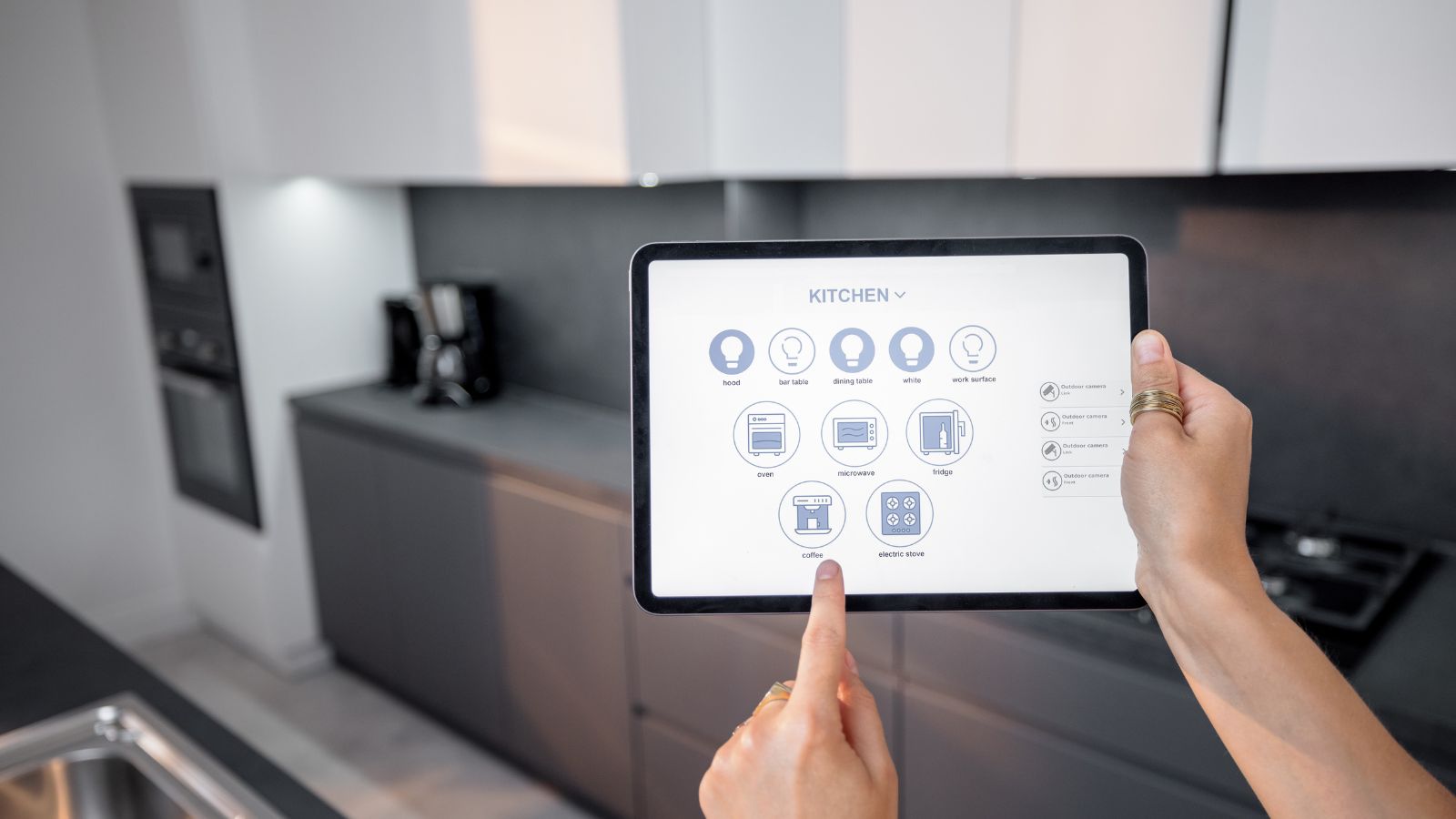
    Smart home savings aren’t just a nod to the future – they’re a savvy investment for today. By integrating automated lighting and intelligent thermostats, homeowners can enjoy substantial energy savings. But it doesn’t stop there. Smart irrigation systems like Rachio 3 and RainMachine make water usage smarter, saving thousands of gallons annually.


  • Maximizing Your New Tech Device: Essential Setup Options Explained

    Unboxing a new tech gadget can feel like Christmas morning. The anticipation, the shiny packaging, the promise of faster, better, and more efficient. But once the wrapping is off, what’s next? The setup process can be a roadblock, but it doesn’t have to be.

    In this digital age, setting up a new device shouldn’t be an intimidating task. It’s about making the right choices for your needs. Whether it’s a smartphone, a smart speaker, or a gaming console, the option when setting up a new tech device can be overwhelming.

    Understanding the Basics of Your New Tech Device

    Mastery begins with understanding. In the world of tech gadgets, knowledge of your device is pivotal to leveraging its full potential.

    Identifying the Essential Components of Your Tech Device

    Every tech device, be it a smartphone, tablet, smart speaker, or gaming console, comes with crucial components. Gaining familiarity with these key parts is paramount in your device setup journey. For example, among a tablet’s core components, we find the touchscreen display, buttons (power, volume), and various slots (charging port, SIM card slot, SD card slot). 

    Navigating the User Interface of Your Tech Device

    The user interface is your gateway to the world of functionalities your device has to offer. Each device possesses a unique interface and understanding its fundamentals is integral. For example, the Android OS present in many smartphones offers a drawer-based interface where all applications are tucked away neatly in an ‘app drawer’. Tablets using the iOS platform rely on a home-based interface where each installed app icon displays on the home screen. 

    Option When Setting Up A New Tech Device

    In setting up your new tech devices, various option when setting up a new tech device exist that can optimize user experiences. Far from being a daunting process, it’s a chance to tailor your device to your preferences.

    Unboxing and Initial Setup Options

    Unboxing your new device is always an exciting experience. As we’ve considered in setting up a tech gadget, understanding the device’s basics is crucial. That understanding begins even with the initial setup options. On first startup, devices ask for details like language preference, date, and time settings. Some gadgets also have accessibility options to enable features such as voiceover or larger text sizes, for those who require them. It’s important to select choices during initial setup that align with how you’ll use the device.

    Personalization Settings

    After the initial setup, the personalization phase of your new tech gadget starts. This phase comprises settings that make your device truly yours. You can tailor wallpaper or theme to your liking, app arrangement on home screens to work best for you, and even ringtone or notification preferences to be distinctive. Remember, every element you personalize contributes to a more efficient interaction with your device.

    Importance of Additional Features and Security Options

    Embarking on the journey of setting up a new tech device, it’s crucial not to overlook additional features and security settings. They not only enhance the user experience by providing a secure framework but also equip the device with valuable functionalities.

    Understanding and Enabling Security Settings

    It is vital to understand the security settings when setting up your new gadget. These settings, like facial recognition or a fingerprint login in smartphones or tablets, add an extra layer of protection. It’s particularly helpful in securing personal information should the device fall into the wrong hands.

    Enabling Cloud Backup and Syncing Options

    One surely can’t overlook the needs of having a safety net, like cloud storage. Enabling cloud backups and syncing option when setting up a new tech device provides a sense of security as it safeguards data against unforeseen circumstances.

    Take an example of a smartphone: Opting for automatic cloud backups ensures your contacts, photos, and essential documents aren’t lost even if you misplace or damage your phone. Moreover, cloud syncing option when setting up a new tech device offer a seamless transition between devices. In simple terms, you could switch from editing a document on your desktop to continuing the same on your tablet seamlessly.

  • Enhance Your Online Presence with Effective Production

    Creating a successful website involves a delicate balance of design, functionality, and user experience. From the initial concept to the final launch, every step in the website production process plays a crucial role in shaping the online presence of a business or individual. It’s not just about putting together a few web pages; it’s about crafting a digital space that resonates with the target audience and achieves specific goals.

    In today’s digital age, a well-produced website can be a powerful tool for reaching a global audience, building brand credibility, and driving conversions. Understanding the intricacies of website production is key to standing out in a crowded online landscape. Whether it’s optimizing for mobile responsiveness, enhancing site speed, or creating compelling content, every aspect contributes to the overall success of a website. Stay tuned to discover the essential elements that make up a top-notch website production strategy.

    Website Production

    Website production involves the systematic creation and development of a website to ensure its effectiveness and success in the digital realm. It encompasses various key processes that are essential for crafting a high-quality, user-friendly, and visually appealing website that caters to the needs of both businesses and individuals.

    Here are some essential aspects of website production that play a vital role in shaping the online presence of a website:

    • Design: The design of a website is a critical component of website production. It includes aspects such as layout, color schemes, typography, and visual elements that together create a visually engaging and cohesive user experience.
    • Functionality: The functionality of a website determines how well it performs and how easily users can interact with it. This includes features such as navigation, interactive elements, forms, and integrations that enhance the user experience and overall usability of the website.
    • User Experience (UX): User experience is a key factor in website production as it focuses on creating a positive and intuitive interaction for visitors. It involves understanding user behavior, incorporating user feedback, and optimizing the website to ensure a seamless and enjoyable browsing experience.
    • Mobile Responsiveness: With the increasing use of mobile devices, ensuring that a website is responsive and adapts to different screen sizes is crucial in website production. Mobile responsiveness enables users to access the website on various devices without compromising the user experience.
    • Site Speed Optimization: Website production includes optimizing the site speed to ensure fast loading times. A website that loads quickly not only enhances user experience but also improves search engine rankings, leading to increased visibility and traffic.
    • Compelling Content: Content plays a significant role in website production as it conveys information, engages visitors, and establishes credibility. Creating compelling and relevant content that resonates with the target audience is essential for driving traffic and conversions.

    By understanding these key aspects of website production and incorporating them into the website development process, businesses and individuals can create websites that are not only visually appealing but also functional, user-friendly, and optimized for success in the digital landscape.

    The Importance of Website Production

    Website production plays a pivotal role in shaping a successful digital presence. By integrating top-notch design, seamless functionality, and exceptional user experience, businesses and individuals can establish a strong online foothold. Focusing on key aspects such as user experience (UX), mobile responsiveness, site speed optimization, and compelling content is essential for creating websites that not only attract but also retain visitors.

    Enhancing User Experience

    Prioritizing user experience is paramount in website production. Ensuring intuitive navigation, engaging design elements, and clear Calls-to-Action (CTAs) enhances user satisfaction and encourages exploration. By creating a user-centric design, businesses can increase visitor retention rates and foster a positive perception of their brand.

    Driving Business Growth

    A well-produced website serves as a powerful tool for driving business growth. Through strategic design choices, streamlined functionality, and optimized content, websites can effectively convert visitors into customers. By leveraging website production techniques that align with business goals, organizations can boost online visibility, attract a broader audience, and enhance conversion rates.